
Understanding and Navigating Burma Sanctions A Comprehensive Guide 1538998441

Understanding and Navigating Burma Sanctions: A Comprehensive Guide
In today’s interconnected world, international sanctions are often employed as tools of foreign policy. One nation that has been heavily impacted by such measures is Burma (Myanmar). With a complex political history and ongoing human rights issues, understanding the specifics of guidance on Burma sanctions is crucial for individuals and businesses alike. This article aims to provide a comprehensive overview of the sanctions imposed on Burma, the reasons behind them, and how to navigate these regulations effectively.
Overview of Sanctions Against Burma
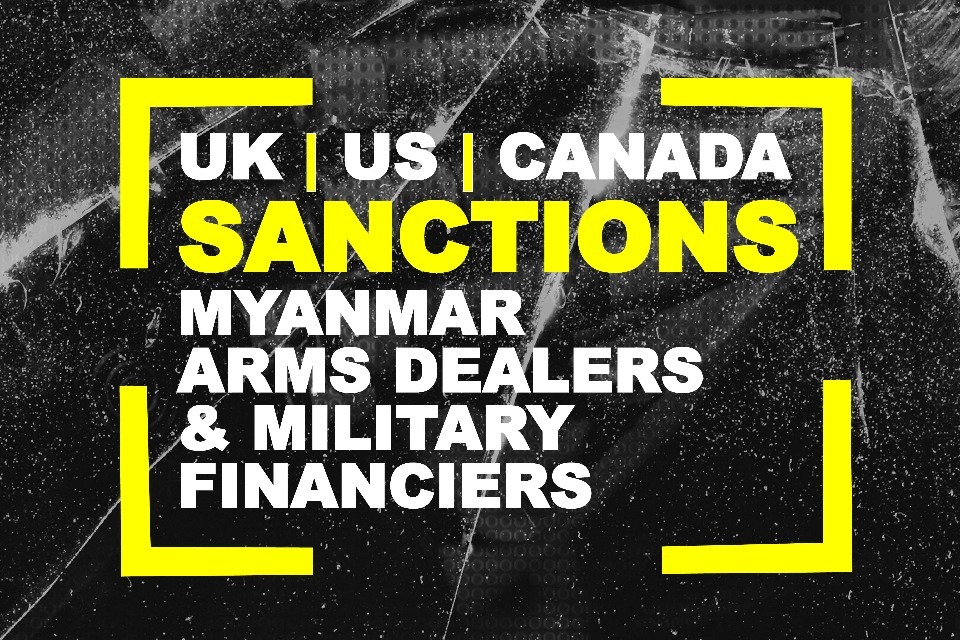
Sanctions on Burma trace back to the late 1980s, primarily in response to the military’s brutal crackdown on pro-democracy protests and its ongoing violations of human rights. The United States, European Union, and various other countries and organizations have imposed various restrictions over the years.
The primary goal of these sanctions is to pressure the Burmese government to respect human rights and make democratic reforms. Over time, these measures have evolved, reflecting changes in the political landscape of the country and the reactions of the international community.
Types of Sanctions Imposed
Sanctions can take multiple forms, including economic restrictions, trade embargoes, asset freezes, and travel bans. The designs and impact of these sanctions depend on their specific nature and the entities being targeted.
Economic Sanctions
Economic sanctions often create barriers for financial transactions with designated individuals or entities linked to the military regime or involved in human rights abuses. These measures may involve prohibiting investments in certain sectors or freezing assets held in foreign countries.
Trade Embargoes
Trade embargoes restrict the import and export of goods, particularly those that could bolster the military regime. This often includes arms and military equipment, but it can also extend to various other goods and services. Failure to comply with these regulations can result in significant legal repercussions.
Asset Freezes and Travel Bans
Individuals identified as directly involved in human rights violations or other forms of repression may face asset freezes, meaning that their financial resources are blocked from use in foreign banks. Additionally, travel bans prevent these individuals from entering certain countries, aiming to prevent them from further contributing to the regime’s actions.
Compliance and Legal Considerations
Businesses and individuals must ensure compliance with all relevant sanctions to avoid legal consequences. Understanding the nuances of the law surrounding Burma sanctions is vital.
Know Your Obligations
Organizations engaging in trade or other interactions with Burma should invest in legal counsel familiar with international sanctions law. This includes ensuring that business partners are not on the sanctions list and understanding the implications of these relationships.
Implementing Compliance Programs
Effective compliance programs are essential for organizations dealing with Burma. Such programs should include robust due diligence processes, employee training on sanctions awareness, and regular audits to ensure adherence to regulations.
Reporting and Transparency
Transparency is critical. If a business inadvertently engages with a sanctioned individual or entity, it should report the incident to relevant authorities immediately. This proactive approach can mitigate penalties and demonstrate good faith efforts in compliance.
Current Status and Future Directions of Sanctions
The political situation in Burma remains fluid, with ongoing unrest and challenges to the rule of law. Sanctions may continue to evolve as international perspectives shift. Organizations tracking these changes should stay updated with guidance from governmental agencies and international organizations regarding any updates or changes in sanctions status.
Conclusion
Understanding and navigating the complex landscape of Burma sanctions is essential for individuals and businesses engaged with the country. By staying informed about the legal restrictions and compliance requirements, stakeholders can navigate these challenges while contributing to the global effort for human rights and democratic governance in Burma. Continuous engagement with updated resources and expert advice will further ensure that compliance measures are effectively integrated into business practices.