
Master the art of gambling A step-by-step guide to winning strategies
Master the art of gambling A step-by-step guide to winning strategies
Understanding the Psychology of Gambling
The psychology of gambling is a complex field that intertwines emotions, decisions, and behaviors. At its core, gambling attracts individuals due to the thrill of risk and the hope of reward. Understanding why people gamble can help players develop better strategies and manage their habits. Many are drawn to the excitement and the adrenaline rush, making it crucial to recognize these emotional triggers when placing bets. One platform that offers a way to get started is the playojo register casino, which can provide useful insights for new gamblers.
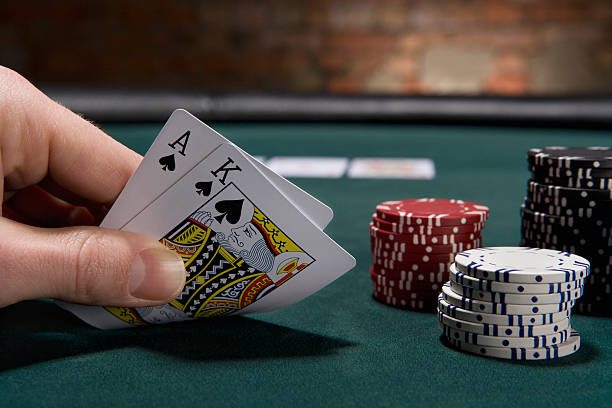
Additionally, cognitive biases play a significant role in gambling behavior. Many players may fall victim to the gambler’s fallacy, believing that past outcomes can influence future events. By understanding these psychological pitfalls, gamblers can make more informed decisions, ultimately increasing their chances of success.
Setting a Budget and Sticking to It
Establishing a budget is one of the most vital steps in mastering gambling. Before engaging in any game, players should determine how much money they can afford to lose without it affecting their lifestyle. This approach not only mitigates financial risks but also helps maintain a positive gambling experience. By setting strict limits, gamblers can enjoy their time without falling into the trap of chasing losses.
Once a budget is established, it is essential to adhere to it rigorously. Many players find it tempting to continue playing, hoping for a turnaround, but this can lead to significant losses. By staying disciplined and recognizing when it’s time to walk away, players can enjoy the thrill of gambling while keeping their finances intact.
Choosing the Right Games
Selecting the appropriate games is fundamental to creating a winning strategy. Different games have varying odds and levels of skill required. For instance, table games like poker or blackjack demand a higher level of strategy and skill compared to slot machines. Understanding the mechanics and probabilities of each game is essential for maximizing potential winnings.
Moreover, players should focus on games that suit their individual skills and knowledge. Engaging in games where one has a deeper understanding can significantly improve the chances of success. By selecting games strategically, gamblers can leverage their strengths and minimize losses.
Developing a Strategy and Sticking to It
Having a well-defined strategy is critical for successful gambling. This involves not only understanding the rules of the games but also developing tactics to enhance one’s chances of winning. For example, in games like blackjack, employing strategies such as card counting can provide a competitive edge. Players should take the time to learn and practice these strategies to build confidence and competence.
Additionally, adaptability is key in gambling. As situations change, being flexible and ready to modify one’s strategy can be the difference between winning and losing. Keeping track of what works and what doesn’t can lead to better decision-making and improved outcomes in future sessions.

The Importance of Responsible Gambling
Responsible gambling is paramount to enjoying the experience and maintaining a healthy relationship with betting. It involves understanding personal limits, recognizing when gambling becomes problematic, and seeking help if necessary. Establishing support systems and utilizing self-exclusion tools can aid in promoting responsible behaviors.
Furthermore, it is essential to remember that gambling should be viewed primarily as a form of entertainment rather than a source of income. By keeping expectations realistic and engaging in gambling responsibly, players can enjoy the excitement while minimizing negative consequences. Balancing thrill with responsibility is the key to a sustainable gambling experience.
No Comments