
The link between PTSD and alcohol-use disorders
Our compassionate team specializes in treating co-occurring disorders through personalized, evidence-based care. We provide integrated treatment programs that address both trauma and addiction, helping our clients build the skills and resilience needed for lasting recovery. Many people with PTSD develop unhealthy coping mechanisms, and alcohol is a common one.
PTSD and Alcoholism: 75% of Trauma Survivors Develop Alcohol Addiction
It’s important to recognize that relapse is often a part of the recovery process and should be viewed as an opportunity for learning and growth rather than a failure. For the alcohol use disorder component, cognitive-behavioral therapy (CBT) and medication-assisted treatment (MAT) are often employed. CBT helps individuals identify and change thought patterns and behaviors related to alcohol use, while MAT may involve the use of medications like naltrexone or acamprosate to reduce cravings and support abstinence.

Denying Our Mental Health: Why We Do It and How To Move Past It
A combination of psychotherapy and pharmacotherapy may be an effective treatment strategy for service members and veterans with comorbid PTSD and AUD. There was no statistically significant main effect for prolonged exposure therapy on PTSD symptoms and no observed differences in the number of dropouts across conditions. In the same sample, prolonged exposure was more beneficial for those with non–combat-related traumas and higher baseline PTSD severity.39 Also, naltrexone was most beneficial for those with the longest duration of AUD. Finally, AUD and PTSD are two of the most common mental health disorders afflicting military service members and veterans.
People Diagnosed With PTSD Have Higher Rates of Alcohol Abuse.
Most people with PTSD have an urge to avoid any memories or flashbacks of the trauma. A leading theory to explain the strong association between PTSD and drinking is self-medication. If you have PTSD symptoms, you may turn to alcohol to numb them or in an attempt to avoid or forget Halfway house traumatic memories and intrusive thoughts.
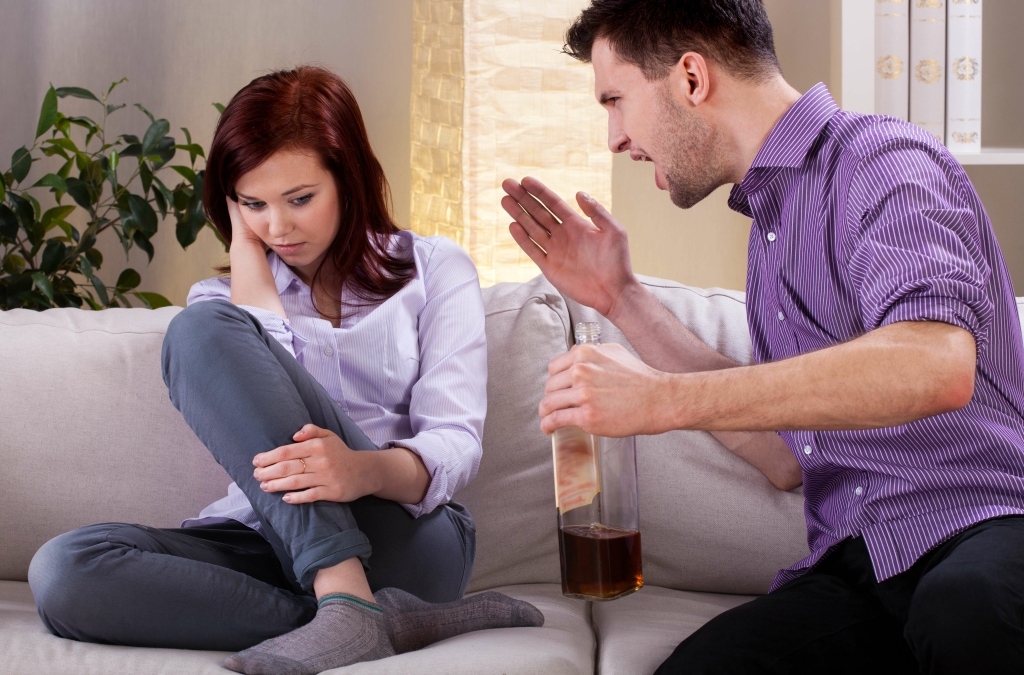
Supermarkets offer a variety of choices, and platforms like The Wise Bartender provide a wide selection. Even many bars now offer more than traditional non-alcoholic beverages like Becks Blue. ptsd and alcohol abuse Consider activities like organising a drawer, giving your home a quick clean, enjoying a refreshing shower, taking a brisk walk, planning your meals, or engaging in physical somatic movement (dance around the kitchen, go for a run, do some exercise). By shifting your focus to these positive actions, you can dissipate the desire to drink and naturally boost your serotonin levels.
How Alcohol Exacerbates Symptoms
Replacing alcohol with positive coping strategies empowers individuals to regain control over their mental health and wellbeing. Because PTSD and alcohol use disorder are deeply intertwined, treating them together is crucial. This is known as integrated treatment, and it addresses both conditions simultaneously rather than treating one before the other. Over time, alcohol rewires the brain’s reward system and can make it difficult to feel pleasure or relaxation without drinking. This makes recovery from both PTSD and alcohol use disorder more challenging.
We’re here anytime, day or night — 24/7
- According to recent data, the prevalence of alcoholism among civilians with PTSD is 42%.
- To help you along this empowering path, it’s essential to get clear on your reasons for making this positive decision.
- Participants received instruction on the telephone daily Interactive Voice Response (IVR) protocol.
- Instead, meeting with a qualified psychotherapist can be a helpful next step.
According to a 2023 study involving female participants, dissociation increases suicidal behavior and is a mediator between childhood sexual abuse and suicidal behavior. One 2020 study explored the direct and indirect links between types of childhood trauma to PTSD and alcohol misuse. If you or a loved one is struggling with alcoholism and co-occurring PTSD, recovery is possible.
- In some cases, these responses continue for a longer period of time and interfere with everyday life, a condition known as post-traumatic stress disorder (PTSD).
- The findings suggest that these interventions had a small positive effect on PTSD outcomes and didn’t significantly affect SUD outcomes.
- Co-occurring AUD and PTSD is a public health concern, especially among active military service members and veterans, as well as victims of violence and sexual assault.
- Smith and Cottler, in The Epidemiology of Post-Traumatic Stress Disorder and Alcohol Use Disorder, describe the changes in the Diagnostic and Statistical Manual of Mental Disorders (DSM) definitions of AUD and PTSD.
- A 2023 study suggests post-traumatic disorders are among the most common co-occurring diagnoses in people with substance use disorder (SUD).
- A combination of psychotherapy and pharmacotherapy may be an effective treatment strategy for service members and veterans with comorbid PTSD and AUD.
- People with PTSD may turn to alcohol and other mood-enhancing drugs, which increase endorphin levels.
- PTSD treatment without concurrent alcohol treatment can lead to ongoing substance abuse and a return to PTSD symptoms.
Around 59% of those who have a PTSD diagnosis also experience substance use disorder. There may be a link between people who experience PTSD and hypersexuality, but this link has not been robustly researched. While not an official symptom, some who experience sexual trauma, response may show signs of hypersexuality as a result.
No Comments